- You have no items in your shopping cart
- Continue Shopping


Psoriasis is a chronic immune-mediated skin disorder that affects millions of people worldwide, impacting their skin, scalp, nails, and ultimately their self-confidence. With rising global awareness about autoimmune conditions and lifestyle-linked triggers, psoriasis has become an important topic across dermatology conferences, clinical guidelines, and patient education platforms. Although modern medicine offers several allopathic treatment pathways, long-term users increasingly seek holistic and integrative options to support their skin health more naturally. Among herbal psoriasis support formulations, Lapsorin stands out as a herbal supplement that aims to help individuals manage psoriasis symptoms through nature-derived mechanisms, without harsh chemicals or steroids. This article explores psoriasis in depth, explains its underlying mechanisms, reviews treatment options, highlights lifestyle strategies, and discusses the role of herbal psoriasis support through Lapsorin, making this content valuable for both patients and healthcare readers.
What is Psoriasis? | Definition, Types and Immune Basis
Psoriasis is an inflammatory skin disease driven by an overactive immune system that accelerates the skin cell turnover cycle. Instead of replacing skin cells every 28–30 days, psoriasis patients often experience this cycle in as little as 3–5 days. This rapid turnover leads to plaques, scaling, red patches, itching, and sometimes burning sensations. The condition is categorized as immune-mediated because immune T-cells and cytokines—especially TNF-α, IL-17, and IL-23—play a major role in driving inflammation and abnormal keratinocyte activity.
There are multiple clinically recognized types of psoriasis, including plaque psoriasis, scalp psoriasis, guttate psoriasis, inverse psoriasis, pustular psoriasis, and erythrodermic psoriasis. Among these, plaque and scalp psoriasis are the most common, often presenting as raised silvery scales on the elbows, knees, torso, and scalp. Nail psoriasis may manifest with pitting, discoloration, or separation of the nail plate. Overall, psoriasis is highly heterogeneous, meaning two patients may show completely different symptoms, severity levels, and body involvement.
Psoriasis Triggers and Risk Factors | Genetics, Autoimmunity and Lifestyle
Psoriasis is not caused by poor hygiene, nor is it contagious—something important to clarify for social awareness. Multiple risk factors contribute to psoriasis outbreaks, including genetic predisposition, immune dysfunction, and environmental triggers. Individuals with family history have a significantly higher likelihood of developing psoriasis due to specific genes related to immune pathways. However, even among genetically predisposed individuals, symptoms may only appear when triggered by environmental stressors.
Common psoriasis triggers include stress, cold climates, smoking, alcohol consumption, skin injuries (Koebner phenomenon), infections (especially streptococcal), obesity, and certain medications. Emerging research also links diet-induced inflammation, microbiome imbalance, and metabolic health with psoriasis onset and severity. Because psoriasis is chronic and relapsing, managing triggers is crucial for long-term stability.
Clinical Treatment Pathways | Topical, Systemic and Biologic Therapy
Modern dermatology categorizes psoriasis treatment into three major lines based on severity: topical therapy for mild disease, oral/systemic therapy for moderate-to-severe presentations, and biologic injections for high-impact cases. Topical steroids, coal tar, salicylic acid, vitamin D analogues, and calcineurin inhibitors are frequently prescribed for symptomatic relief. For more aggressive disease progression, systemic options such as methotrexate, cyclosporine, acitretin, and phototherapy are utilized. In the last decade, biologic therapies such as anti-TNF, anti-IL-17, and anti-IL-23 monoclonal antibodies have transformed psoriasis care due to their targeted immune suppression and high clearance rates.
However, despite strong clinical outcomes, these treatments come with limitations such as recurrence after discontinuation, high cost, potential side effects, and immune suppression concerns. Therefore, an increasing number of patients explore complementary strategies that can support their long-term skin health alongside or independently from pharmaceutical treatments.
The Role of Herbal Psoriasis Support | Demand for Natural Alternatives
With rising global interest in integrative and herbal dermatology, psoriasis patients are exploring plant-based solutions that support the immune system, skin barrier, and inflammatory pathways. Herbal medicine traditionally focuses on detoxification, blood purification, immune modulation, skin moisture balance, and microcirculation. Many botanicals used in psoriasis support have been recognized for their antioxidant, anti-inflammatory, and adaptogenic properties.
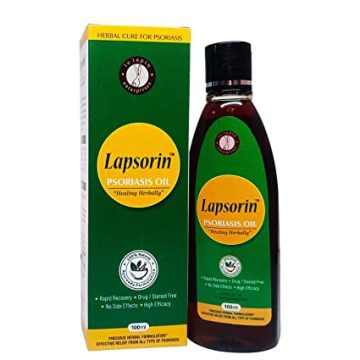
Unlike steroids or immunosuppressants, herbal supplements generally aim for supportive and balancing mechanisms that may improve comfort without harsh side effects. This makes herbal psoriasis support relevant for individuals who prefer long-term integrative management for a chronic condition like psoriasis. Among the herbal solutions gaining attention is Lapsorin Herbal Psoriasis Supplement, designed to support individuals who experience psoriasis-linked symptoms such as dryness, scaling, itching, and plaque formation.
Introducing Lapsorin Herbal Psoriasis Support | Natural Pathway for Skin Comfort
Lapsorin is a herbal psoriasis support formulation created to help patients manage chronic psoriasis symptoms naturally. Manufactured under quality compliance and offered by Le Lapin Enterprises, Lapsorin is used by individuals seeking herbal support for their psoriasis journey. Unlike topical applications that may provide only surface-level relief, Lapsorin is positioned as a herbal support system that works from within, aiding in the maintenance of skin health, scalp moisture, immune balance, and a healthy inflammatory response.
Lapsorin has been used by many individuals suffering from psoriasis on the scalp, elbows, knees, back, and nails, often reporting better comfort and confidence over consistent usage. Importantly, Lapsorin does not classify as an allopathic drug—it is a herbal supplement, which aligns with modern consumer preferences for plant-based, integrative wellness solutions.
Why Lapsorin Appeals to Psoriasis Patients | Key Supportive Benefits
Individuals using Lapsorin often choose it because it aligns with a holistic lifestyle and provides supportive benefits without steroids or synthetic chemicals. While results vary among individuals, herbal psoriasis support like Lapsorin focuses on maintaining:
- Skin hydration and natural renewal
- Scalp and dermal moisture balance
- Healthy immune response and detox pathways
- Reduced scaling and dryness discomfort
- Better daily skin comfort and confidence
As psoriasis is a long-term condition, supportive solutions that can be used consistently become valuable for many patients who are seeking management rather than cure.
Global Acceptance and Export Growth of Lapsorin | Expanding International Trust
Lapsorin is not just gaining attention locally—it is also earning recognition in overseas markets due to its herbal nature, efficacy among users, and compliance with export documentation. Lapsorin is approved and registered with the Ministry of Health in many counrties , demonstrating regulatory readiness for herbal supplements. Recently, European exports have begun, with shipments made to Romania, marking an important milestone for international acceptance. The brand offers seamless communication, professional documentation for importers, and responsive service, making Lapsorin an attractive choice for distributors seeking herbal psoriasis support products.
Lifestyle and Dietary Considerations for Managing Psoriasis Naturally
Psoriasis management goes beyond medication and supplements—lifestyle plays a key role in flare severity. Research indicates that anti-inflammatory diets, stress control practices such as yoga and meditation, and adequate vitamin D exposure can support psoriasis comfort. Patients are encouraged to maintain a healthy weight, avoid smoking, limit alcohol, moisturize regularly, and keep their scalp clean. Many psoriasis triggers are controllable, and patient education remains one of the strongest tools for long-term quality of life improvement.
Conclusion | Towards Integrative Psoriasis Care with Herbal Support
Psoriasis remains a complex, multifactorial skin condition that blends genetics, immune behavior, and environmental influences. While conventional treatments provide crucial relief at the dermatological level, many patients seek deeper, long-term, and natural support that aligns with integrative healthcare models. Lapsorin Herbal Psoriasis Supplement stands in this space as a supportive herbal option for individuals who want to manage psoriatic symptoms in a more natural, sustained way. As awareness grows across continents, and with solid export and regulatory progress, Lapsorin continues its mission to support psoriasis care in a global, holistic manner.